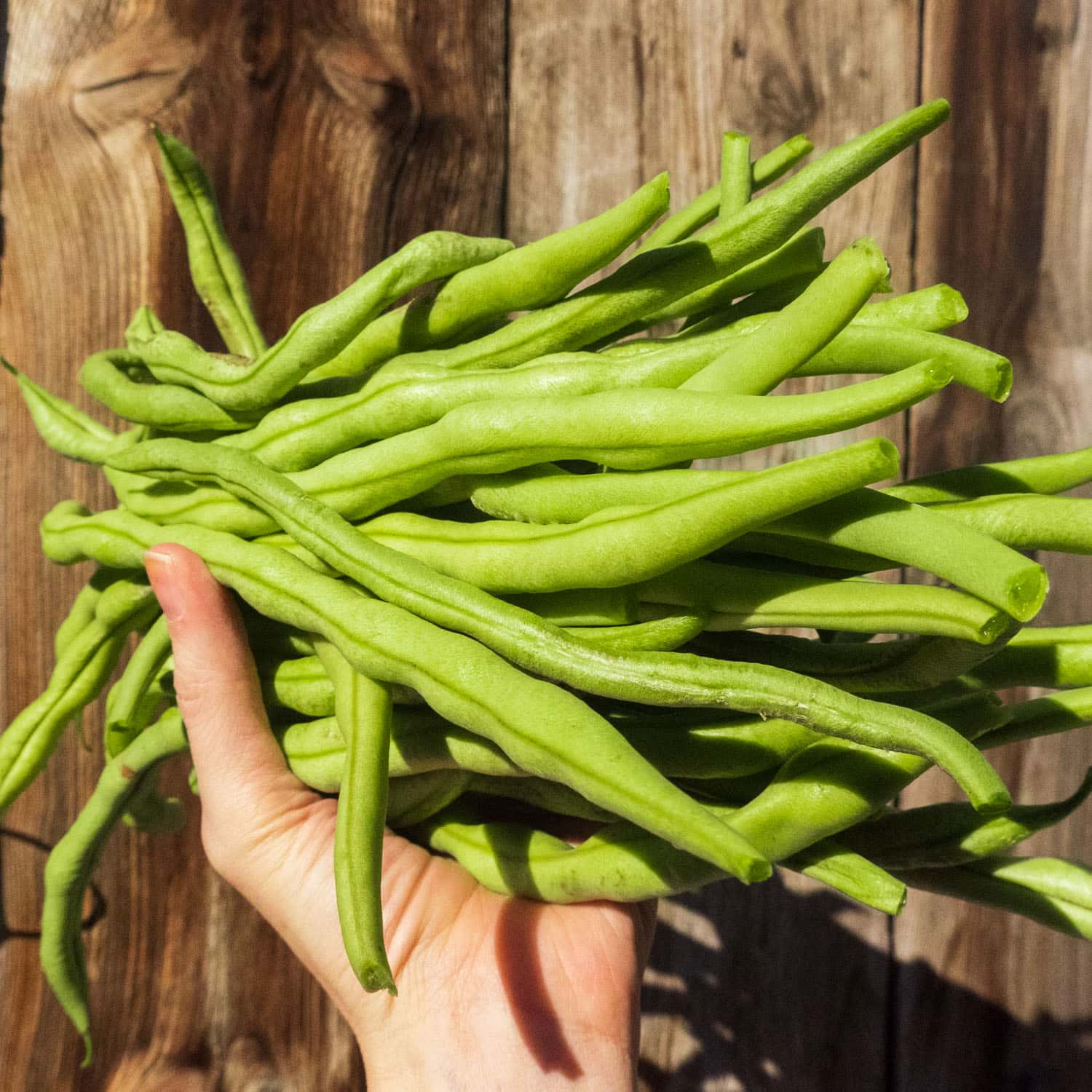
Fortex Beans: The Easy Path to a Bountiful Harvest
Are you searching for that perfect bean variety to transform your garden into a beacon of productivity? Look no further than Fortex beans – the undisputed champions of the pole bean world. Renowned for their incredible yield, delicious flavor, and surprisingly easy cultivation, growing Fortex beans is a rewarding experience for gardeners of all skill levels. Whether you have a sprawling backyard or a compact urban plot, these vigorous climbers promise a generous harvest of tender, long green beans that will keep your kitchen well-stocked all season long.
Why Fortex Beans Stand Out in Your Garden
Fortex beans aren't just another bean; they're a gardening phenomenon. Their unique characteristics make them a favorite among seasoned cultivators and a delightful discovery for beginners. Let's delve into what makes them truly exceptional.
Unmatched Productivity and Delicious Flavor
One of the primary reasons gardeners rave about Fortex beans is their astonishing productivity. Imagine pulling a weekly harvest of several pounds of fresh, vibrant beans from a single garden bed! This isn't an exaggeration; these plants are incredibly prolific, offering a steady supply of beans that far outpaces many other varieties. Beyond quantity, the quality is outstanding. Fortex beans boast a wonderfully tender texture and a classic, sweet green bean flavor that makes them perfect for any culinary application. Enjoy them fresh off the vine, steamed as a simple side, tossed in a stir-fry, or even preserved for later – they freeze beautifully, maintaining their crispness and taste. The abundance truly makes growing Fortex beans a worthwhile endeavor for any food enthusiast.
Stringless Perfection & Rapid Growth
Say goodbye to the tedious task of destringing beans! Fortex beans are naturally stringless, a feature that saves significant time and effort in the kitchen, whether you're preparing a quick meal or a large batch for canning. This convenience alone is a game-changer for busy home cooks. What's more, Fortex beans are remarkably quick to mature. From the moment you plant your seeds, you can expect to be harvesting within a mere 60 to 70 days. This rapid turnaround means you can enjoy fresh beans earlier in the season, and in some climates, even get multiple plantings in a single growing year. This fast growth cycle is especially appealing for those with shorter growing seasons or an eagerness to see quick results.
The Joy of Giant, Tender Beans
Prepare to be amazed by the sheer size of Fortex beans. These aren't your average green beans; they can easily grow to over a foot long! Despite their impressive length, they retain their tenderness and exquisite flavor, even when fully mature. There's no need to worry about them becoming tough or fibrous. In fact, many gardeners (and their children!) enjoy nibbling on these massive beans raw right in the garden. This unique quality provides flexibility in harvesting – pick them young at around 7 inches for a more delicate bite, or let them grow to their full, magnificent length without sacrificing taste or texture. The novelty of harvesting such giant, yet perfectly edible, beans adds an extra layer of fun to the gardening experience.
Essential Steps for Successfully Growing Fortex Beans
While Fortex beans are known for their resilience, providing them with the right environment and care will maximize your yield and ensure robust plant health. Here’s how to set them up for success.
Choosing the Right Location and Soil
Like most vegetables, Fortex beans thrive in plenty of sunshine. Select a spot in your garden that receives a minimum of 6-8 hours of direct sunlight daily. This ample light fuels their vigorous growth and prolific bean production. Additionally, consider providing some shelter from strong winds, especially given their climbing nature and the weight of their eventual harvest. Trellises, fences, or even nearby taller plants can offer this crucial protection. When it comes to soil, Fortex beans prefer well-draining, loamy soil that's rich in organic matter. Aim for a slightly acidic to neutral soil pH, ideally between 6.0 and 7.0. Before planting, it's wise to conduct a soil test to understand your specific conditions and amend with compost or aged manure to enrich the soil and improve drainage.
Planting for a Strong Start
Starting your Fortex beans is straightforward. You have two main options: direct sowing outdoors or giving them a head start indoors. For an earlier harvest, sow seeds indoors about 4-6 weeks before your region's last expected frost date. This method allows the seedlings to establish robust root systems before being transplanted. Alternatively, you can sow seeds directly into your garden beds once all danger of frost has passed and the soil has warmed up. Whichever method you choose, plant seeds 1-2 inches deep into the soil, spacing them 12-18 inches apart. This spacing ensures each plant has ample room to spread its roots and climb without competing excessively for nutrients or light. Remember, Fortex beans are best propagated from seeds; cuttings are not an effective method for these plants.
Support Systems are Non-Negotiable
Given that Fortex bean plants can easily reach heights of 6-7 feet (and sometimes even taller!), providing a sturdy support system is absolutely essential. These are pole beans, meaning they are natural climbers and will quickly seek out something to cling to. Without proper support, the plants can become sprawling, less productive, and more susceptible to disease due to poor air circulation. Install trellises, stakes, fences, or a teepee structure at the time of planting. As the plants grow, gently guide their tendrils towards the support, and they will instinctively begin their upward journey. A strong trellis not only facilitates optimal growth but also makes harvesting much easier, as the beans will hang freely and be readily visible.
Nurturing Your Fortex Beans for Peak Performance
Once your Fortex beans are established, consistent care will ensure a continuous and abundant harvest.
Watering and Fertilization Strategies
Consistent moisture is key for healthy Fortex bean plants, especially during flowering and pod development. Aim to keep the soil consistently moist but never waterlogged, as this can lead to root rot. Deep watering early in the morning is ideal, as it allows the foliage to dry before nightfall, reducing the risk of fungal diseases, and minimizes water loss due to evaporation. At planting time, incorporate a balanced organic fertilizer to give your beans a robust start. For ongoing nourishment, side-dress your plants with compost or a balanced organic granular fertilizer every 4-6 weeks. Beans are known for their nitrogen-fixing capabilities, so avoid over-fertilizing with nitrogen once the plants are established, as this can lead to lush foliage at the expense of bean production.
Pruning and Pest Management
Regular maintenance can significantly boost your Fortex bean harvest. Pruning lower leaves that touch the ground or are yellowing can improve air circulation around the base of the plant, further deterring fungal issues. While Fortex beans are generally hardy, keep a vigilant eye out for common bean pests like aphids, bean beetles, or spider mites. Inspect your plants regularly, especially the undersides of leaves. Early detection allows for prompt, often organic, intervention, such as spraying with neem oil or insecticidal soap, or simply hand-picking pests off the plants. Maintaining good garden hygiene, like removing plant debris, also helps prevent pest and disease buildup.
Harvesting Your Abundant Yield
The best part about growing Fortex beans is the harvest! You can begin picking your beans when they are around 7 inches long, but don't hesitate to let them mature to over a foot in length. They remain wonderfully tender even at their largest. The secret to continuous production is to harvest frequently – aim to snap off beans every 2-3 days. This encourages the plant to produce more flowers and, consequently, more beans. The more you pick, the more they produce! For more detailed guidance on maximizing your harvest, be sure to check out Mastering Fortex Beans: Your Guide to Growing Productive, Tender Pole Beans.
Growing Fortex Beans in Containers
Don't have an in-ground garden? No problem! Fortex beans adapt well to container gardening, making them an excellent choice for patios, balconies, or small urban spaces. The key is to select a large enough container – a minimum of a 5-gallon pot per plant, ideally larger, will provide sufficient space for root development. Ensure your chosen container has ample drainage holes to prevent waterlogging, which is crucial for healthy bean roots. Use a high-quality potting mix enriched with compost. Just like their in-ground counterparts, container-grown Fortex beans will need robust support for their climbing vines. A small trellis, stakes, or even a tomato cage can work effectively. Remember that container plants tend to dry out more quickly than garden beds, so consistent daily watering might be necessary, especially during hot weather. For comprehensive container gardening tips, read Grow Giant Fortex Beans: A Step-by-Step Guide for High Yields.
Conclusion
Fortex beans truly live up to their reputation as an easy-to-grow, high-yielding pole bean variety. Their unique combination of delicious flavor, stringless convenience, rapid maturity, and impressive size makes them an invaluable addition to any home garden. By providing full sun, rich soil, consistent moisture, and essential support, you can look forward to an incredibly abundant harvest of tender, versatile beans that will delight your family and friends. So, if you're ready to experience the joy of continuous fresh bean production with minimal fuss, embrace the Fortex bean – your garden (and your taste buds) will thank you.
