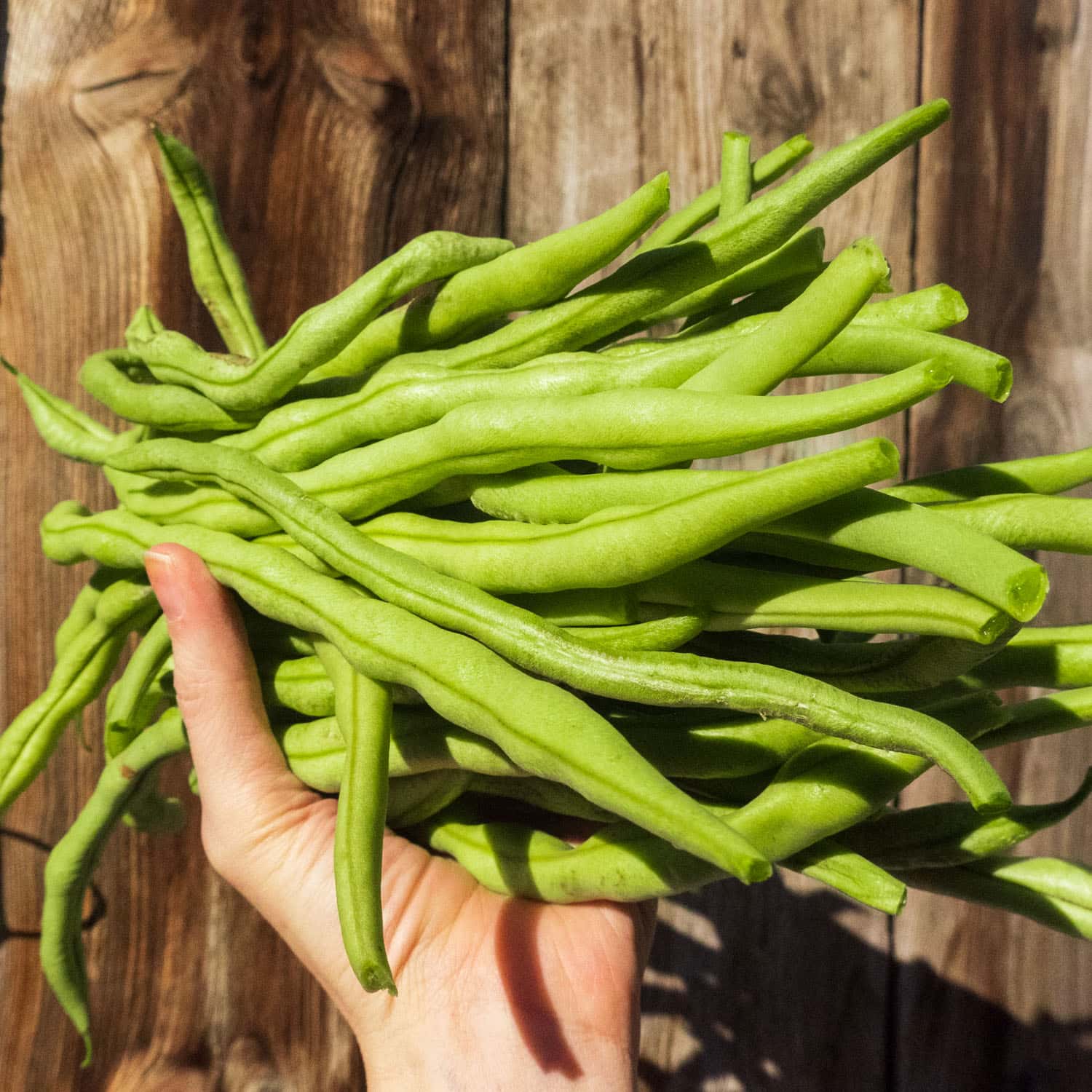
Unlock Abundant Harvests: A Deep Dive into Growing Fortex Beans
Imagine harvesting pounds of delicious, tender beans from a single garden bed, week after week. This isn't a gardener's fantasy; it's the reality when you dedicate a corner of your space to growing Fortex beans. Renowned for their incredible productivity, impressive size, and delightful flavor, Fortex beans have quickly become a favorite among home gardeners and urban farmers alike. If you're looking to maximize your yield with a relatively low-maintenance crop, this comprehensive guide will walk you through every step to cultivate a successful, bountiful harvest of these magnificent pole beans.Why Fortex Beans are a Must-Grow for Every Gardener
When considering what to plant, Fortex beans stand out as a top contender, offering a compelling array of benefits that make them incredibly rewarding to grow. Their vigorous nature and exceptional output are truly remarkable. From just one 4x8 garden bed, you can realistically expect to harvest up to five pounds of beans weekly during peak season! This kind of productivity means fewer trips to the grocery store and an abundance of fresh, nutritious produce right at your fingertips. But the appeal of Fortex beans extends far beyond their high yield. Here’s why they should be on your planting list:- Unrivaled Flavor and Tenderness: These aren't just any green beans. Fortex beans are celebrated for their exceptionally tender texture and sweet, garden-fresh flavor. Whether you enjoy them fresh off the vine, steamed, sautéed, or incorporated into your favorite recipes, they never disappoint. They also freeze beautifully, allowing you to enjoy your harvest long after the growing season ends.
- Completely Stringless: One of the most beloved features of Fortex beans is their stringless nature. This eliminates the tedious task of stringing beans before cooking, making preparation a breeze and saving you valuable time in the kitchen.
- Rapid Maturity: For impatient gardeners, Fortex beans are a dream come true. They typically reach full maturity in a swift 60-70 days from seed, making them one of the quicker bean varieties you can cultivate. This fast turnaround also opens up possibilities for succession planting, extending your harvest even further.
- Impressive Size: True to their "giant" moniker, Fortex beans produce pods that can easily exceed a foot in length! What's truly remarkable is that despite their substantial size, they retain their tenderness. You don't have to worry about them becoming tough or fibrous, even when fully grown. Kids (and adults!) love to snack on these raw, crisp beans right off the plant.
For more insights into getting the most out of these incredible plants, explore Mastering Fortex Beans: Your Guide to Growing Productive, Tender Pole Beans.
Establishing the Ideal Environment for Growing Fortex Beans
To ensure your Fortex beans thrive and deliver their legendary yields, creating the right growing environment is paramount. These plants are relatively forgiving, but attention to a few key factors will dramatically boost your success.Sunlight and Shelter Requirements
Fortex beans are sun-worshippers. They demand full sun exposure, meaning they need a minimum of 6-8 hours of direct sunlight daily to fuel their vigorous growth and prolific pod production. Choose a location in your garden that receives ample sun throughout the day. Additionally, due to their height and rapid growth, providing some shelter from strong winds is crucial. Trellises, fences, or even other robust plants can offer necessary protection, preventing physical damage and stress to the plants.
Optimal Soil Conditions
The foundation of any healthy garden is healthy soil. For growing Fortex beans, aim for well-draining, loamy soil. This type of soil allows water to penetrate efficiently without becoming waterlogged, which can lead to root rot. Enriching your soil with plenty of organic matter, such as compost or well-rotted manure, before planting will provide a slow-release source of nutrients and improve soil structure. Fortex beans prefer a slightly acidic to neutral soil pH, ideally in the range of 6.0 to 7.0. A soil test kit can help you determine your current pH and guide any necessary amendments.
Essential Support Structures
As pole beans, Fortex plants are natural climbers, and they grow *tall* – easily reaching 6-7 feet! Without adequate support, they will sprawl, become tangled, and may not produce as effectively. Therefore, building a sturdy trellis, providing strong poles, or setting up an A-frame structure before planting is non-negotiable. Ensure your chosen support is robust enough to bear the weight of a mature, heavily laden plant. Think vertically from the start to maximize your garden space and harvest potential.
Planting and Propagation for a Strong Start
Getting your Fortex beans started correctly sets the stage for a season of success. Propagation is straightforward and accessible for gardeners of all experience levels.Starting Your Seeds
Fortex beans are best propagated by seeds, which guarantees the most reliable results. You have two primary options for starting your Fortex journey:
- Sowing Indoors: For an early start, particularly in regions with shorter growing seasons or unpredictable spring weather, begin by sowing seeds indoors. Do this about 4-6 weeks before your average last frost date. Plant seeds in biodegradable pots or seed trays filled with a good quality seed-starting mix. This method gives your plants a head start, allowing them to develop a robust root system before transplanting them outdoors.
- Direct Sowing Outdoors: Once the danger of the last frost has completely passed and soil temperatures have warmed sufficiently (ideally above 60°F or 15°C), you can sow Fortex bean seeds directly into your garden beds. This is often the preferred method for beans, as they generally dislike root disturbance.
Proper Planting Depth and Spacing
Whether you're direct sowing or transplanting seedlings, consistent planting practices are key:
- Depth: Plant Fortex bean seeds 1-2 inches deep in the soil. This depth provides enough protection while allowing easy emergence.
- Spacing: Give each plant ample room to grow and flourish. Space individual seeds or seedlings 12-18 inches apart along your chosen support structure. Proper spacing ensures good air circulation, reduces competition for nutrients and light, and makes harvesting easier.
Cultivation and Ongoing Care for Maximum Yields
Once your Fortex beans are established, consistent care will ensure they reach their full potential, rewarding you with an abundant harvest.Consistent Watering Practices
Fortex beans require consistent moisture to thrive, especially during flowering and pod development. The goal is to keep the soil moist but never waterlogged. Deep, infrequent watering is generally better than shallow, frequent watering, as it encourages roots to grow deeper. Watering early in the morning is ideal, as it minimizes evaporation and allows the foliage to dry before nightfall, reducing the risk of fungal diseases.
Effective Fertilization Strategies
Beans are nitrogen fixers, meaning they can draw nitrogen from the air and convert it into a usable form in the soil. This reduces their need for heavy nitrogen fertilization. At planting time, use a balanced organic fertilizer to give them a strong start. For ongoing care, side-dress your plants with compost or an organic fertilizer every 4-6 weeks. This replenishes essential nutrients and supports continuous growth and pod production. Avoid excessive nitrogen after flowering, as it can promote leafy growth at the expense of bean production.
Pruning and Pest Management
While Fortex beans are generally vigorous, a little maintenance can go a long way. Regularly inspect your plants for signs of pests or diseases. Address any issues promptly with organic pest control methods or by removing affected foliage. Pruning lower leaves can improve air circulation around the base of the plants, which is vital for preventing fungal issues, especially in humid conditions. Simply snip off any yellowing or diseased leaves.
Harvesting Your Giant Fortex Beans
The moment you've been waiting for! Fortex beans can be harvested when they are around 7 inches long for tender, delicate pods, or you can allow them to grow to over a foot in length for truly giant beans. Even at their largest, they remain wonderfully tender and stringless. The key to a continuous, high-yielding harvest is to pick frequently – every 2-3 days. This encourages the plant to produce more flowers and, consequently, more beans. Simply snap the beans off the plant where they connect to the stem. The more you pick, the more your Fortex plants will produce!
For more detailed advice on cultivating these amazing plants, check out Fortex Beans: The Easy-to-Grow, High-Yielding Pole Bean for Any Garden.
