Mastering Fortex Beans: Your Guide to Growing Productive, Tender Pole Beans
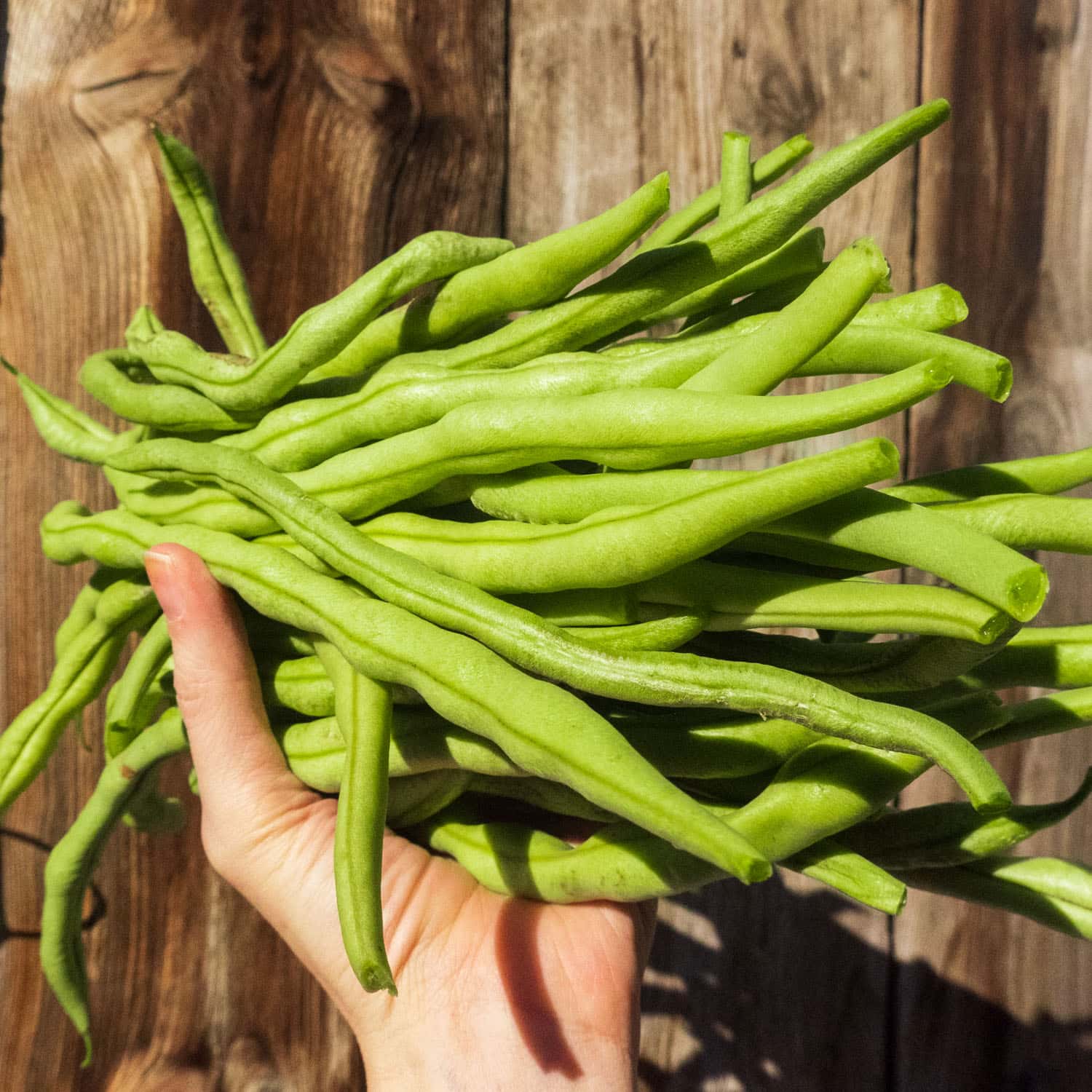
Are you yearning for a garden bursting with fresh, delicious produce? If you're looking to maximize your harvest without sacrificing flavor or quality, then mastering growing Fortex beans is your next big gardening adventure. These extraordinary pole beans are a favorite among urban and rural gardeners alike, celebrated for their prolific yields, exceptional tenderness, and incredibly versatile nature. Imagine harvesting pounds of delectable beans each week from a single garden bed – that's the Fortex promise! What makes Fortex beans so special, and why should they be the star of your next growing season? Beyond their impressive productivity, these beans offer a combination of traits that make them a standout choice. They are famously *stringless*, eliminating extra work during preparation and cooking. Their rapid maturity cycle (just 60-70 days from seed to harvest) means you won't wait long to enjoy your bounty. And perhaps most uniquely, Fortex beans are giants, easily growing over a foot long, yet retaining a buttery tenderness even at their full size. This characteristic makes them incredibly fun to grow and a delight to eat, whether snapped fresh off the vine or incorporated into your favorite green bean recipes. Many gardeners report their children happily munching on these raw, extra-long beans straight from the plant!Getting Started: Laying the Foundation for Thriving Fortex Beans
Successful growing Fortex beans begins with understanding their fundamental needs. While these beans are remarkably robust, providing the right environment from the outset will ensure a truly abundant harvest.Sunlight and Shelter: The Power of Position
Fortex beans are sun-worshippers, demanding a minimum of 6-8 hours of direct sunlight daily to thrive. Choose a location in your garden that receives ample sun exposure throughout the day. Beyond light, consider protection from the elements. Strong winds can damage these vigorous climbers, so positioning them near a fence, wall, or providing robust trellising can offer essential shelter. This dual consideration of light and protection is crucial for robust plant development and maximum yield.
Soil Composition: The Heart of Healthy Growth
The right soil is paramount for any successful crop, and Fortex beans are no exception. They flourish in well-draining, loamy soil that is rich in organic matter. Before planting, consider amending your soil with compost or well-rotted manure to improve its structure and nutrient content. Aim for a slightly acidic to neutral soil pH, ideally in the range of 6.0 to 7.0. A simple soil test kit can help you determine your current pH and guide any necessary adjustments. Healthy soil fosters strong root development, which is the foundation for productive bean plants.
Planting Protocols: From Seed to Sprout
When it comes to propagation, Fortex beans are best started from seeds. While some plants can be grown from cuttings, focusing on seed propagation for beans guarantees better results and simplifies the process for gardeners of all skill levels. You have a couple of options for starting your Fortex beans:
- Indoors: For an early start, sow seeds indoors about 4-6 weeks before your region's last expected frost date. This head start allows seedlings to develop robust root systems before being transplanted outdoors, giving you an earlier harvest.
- Direct Sowing: Alternatively, you can sow seeds directly into your garden beds once the danger of frost has passed and the soil has warmed. This method allows the beans to establish naturally in their permanent environment.
Regardless of your chosen method, plant seeds 1-2 inches deep in the soil. Proper spacing is vital for air circulation and nutrient access; aim to space your seeds or transplants 12-18 inches apart. This generous spacing allows each plant ample room to grow, climb, and produce without overcrowding.
The Indispensable Support System: Go Vertical!
As true pole beans, Fortex plants are natural climbers, easily reaching heights of 6-7 feet or more. Without proper support, these productive plants will sprawl, become susceptible to disease, and yield less. Installing a sturdy trellis, poles, or even a robust fence *at the time of planting* is non-negotiable. Don't wait until the plants are already climbing to provide support; give them something to grab onto from day one. Various trellis designs work well, from simple tepees made of bamboo stakes to elaborate netting systems. A strong support structure will ensure your plants grow vertically, making harvesting easier and promoting better air circulation, which helps prevent fungal issues.
For more detailed step-by-step instructions on maximizing your Fortex harvest, you might find this guide helpful: Grow Giant Fortex Beans: A Step-by-Step Guide for High Yields.
Cultivating Success: Ongoing Care for Bountiful Harvests
Once your Fortex beans are established, consistent care will ensure they reach their full potential, providing you with a continuous supply of tender pods.Watering Wisdom: Keeping Thirsty Plants Hydrated
Consistent moisture is key to successful bean production. Fortex beans prefer soil that is moist but never waterlogged. Regular watering, especially during dry spells and when plants are flowering and setting pods, is crucial. The best time to water is early in the morning. This allows the plants to absorb hydration before the heat of the day, reducing evaporation and minimizing the risk of fungal diseases that can arise from damp foliage overnight. Aim for deep watering that encourages roots to grow downwards, making plants more resilient to short dry periods.
Feeding Your Plants: Nutrient Management
To support their vigorous growth and prolific pod production, Fortex beans benefit from thoughtful fertilization. At planting time, incorporate a balanced fertilizer into the soil to give your young plants a strong start. As the growing season progresses, maintain nutrient levels by side-dressing with compost or an organic granular fertilizer every 4-6 weeks. Look for fertilizers that support fruiting, with slightly higher phosphorus and potassium content, though beans are also nitrogen fixers, so excessive nitrogen can sometimes lead to more foliage and fewer beans. Healthy soil rich in organic matter will naturally provide many of the nutrients your plants need.
Pruning and Pest Patrol: Keeping an Eye Out
While Fortex beans don't require extensive pruning, removing some of the lower leaves can significantly improve air circulation around the base of the plants. This simple practice helps reduce humidity and makes the environment less hospitable for fungal diseases. Regularly inspect your plants for signs of common pests like aphids or bean beetles, as well as early indicators of diseases. Addressing issues promptly, ideally with organic solutions, will prevent problems from escalating and impacting your yield. Healthy, well-ventilated plants are naturally more resistant to issues.
Container Growing: Beans for Balconies
Don't have a large garden? No problem! Fortex beans can thrive in containers, making them an excellent choice for patios, balconies, or small spaces. When container growing Fortex beans, select a pot with a minimum size of 5 gallons and ensure it has adequate drainage holes to prevent waterlogging. Remember that container plants dry out faster than garden beds, so they may require more frequent watering. Crucially, a robust support system remains essential, even for container-grown plants, to accommodate their significant vertical growth.
Harvesting Your Bounty: Enjoying Your Fortex Beans
The best part of growing Fortex beans is, of course, the harvest! With a maturity period of 60-70 days, you won't have to wait long to enjoy your first taste.When to Pick: The Art of Timing
Fortex beans can be picked when they are around 7 inches long, offering a tender snap. However, their unique characteristic is that they remain incredibly tender even when allowed to grow to over a foot in length! This means you have flexibility in your harvest schedule. Whether you prefer smaller, more delicate beans or impressively long ones, you can pick them with confidence, knowing they won't become tough or stringy. The fun of picking these giant, yet tender, beans is a major highlight for many gardeners.
How to Harvest: Keep Them Coming!
Fortex beans are incredibly productive, and consistent harvesting is key to encouraging continuous yields. Simply snap the pods off the plant every 2-3 days. This frequent picking signals to the plant to produce more flowers and pods, ensuring a steady supply of beans throughout the growing season. If you let too many beans mature on the vine, the plant may slow down its production, thinking its reproductive cycle is complete. So, pick often and pick generously!
Beyond the Garden: Culinary Versatility
Once harvested, your Fortex beans are incredibly versatile. Enjoy them fresh, raw as a healthy snack (as many kids love to do!), or in any green bean dish you can imagine – steamed, stir-fried, roasted, or added to casseroles. Their stringless nature makes preparation a breeze. Fortex beans also freeze beautifully, allowing you to preserve your abundant harvest and enjoy their fresh taste long after the growing season has ended. A quick blanch before freezing will lock in their flavor and texture for months.
